


Tanker with 21 Indian seafarers hit in Strait of Hormuz
The Kuwait-flagged tanker M/T Al Dasma, with 21 Indian seafarers on board, was hit by an unknown projectile in the Strait of Hormuz. All the crew are safe.

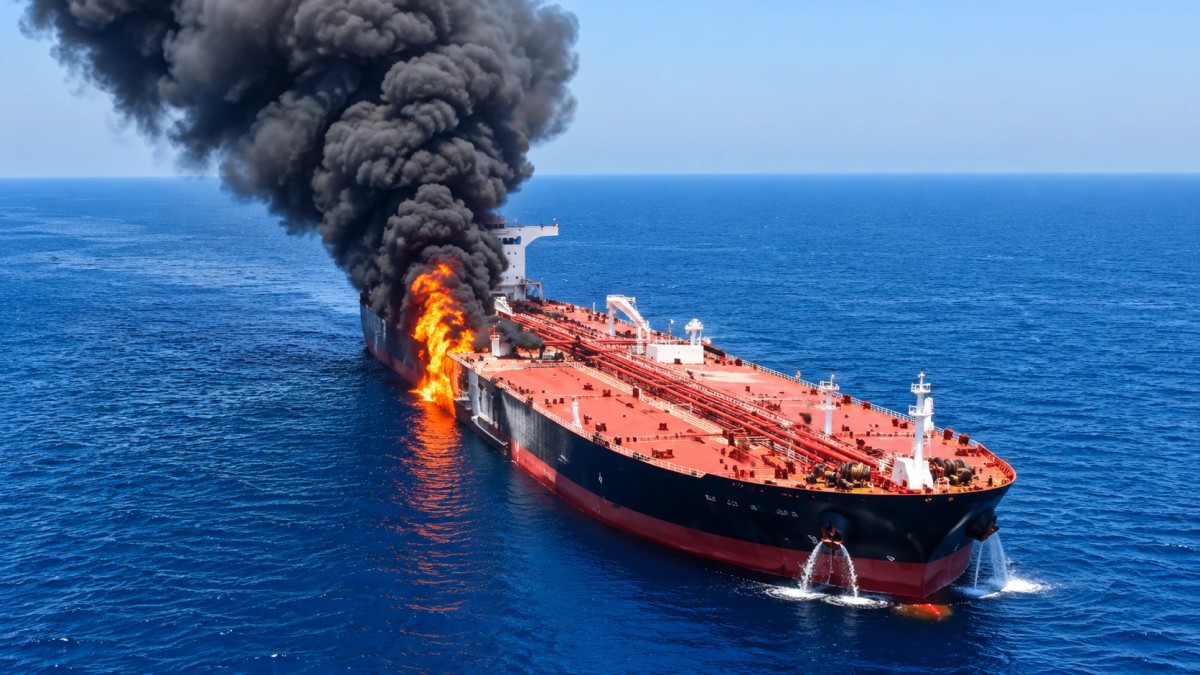
A Kuwait-flagged oil tanker carrying 21 Indian seafarers was hit by an unidentified projectile while crossing the Strait of Hormuz on Wednesday, 21 October. All the crew are safe, Union Minister of Ports, Shipping and Waterways Sarbananda Sonowal said.
The ship, the oil product tanker M/T Al Dasma, was struck about 11 nautical miles west of Bukha in Oman, according to the UK Maritime Trade Operations agency (UKMTO), ETV Bharat and Siasat reported. It is the second tanker with an Indian crew to be hit in the strait in less than a week.
Key points
- Ship: M/T Al Dasma, a Kuwait-flagged oil product tanker, with 21 Indian seafarers on board.
- Where and when: Strait of Hormuz, about 11 nautical miles west of Bukha, Oman, on 21 October.
- What happened: hit by an unknown projectile; reports say a fire broke out and was put out.
- Crew: all safe and uninjured, Shipping Minister Sarbananda Sonowal said.
- Earlier, on 16 October, the crude tanker MT ST 3 with 15 Indian seafarers was also hit in the strait; no one was hurt.
- No one has claimed responsibility.
What happened to the Al Dasma
Sonowal announced the incident in a late-night post on X. He said the tanker had been struck while in transit through the strait, that no Indian crew member was injured, and that everyone on board was completely safe, India TV and ETV Bharat reported.
He said the government was monitoring the situation and was in close contact with the ship's management company about the safety and well-being of the seafarers.
According to UKMTO, which tracks attacks on merchant ships in the region, the strike took place about 11 nautical miles west of Bukha, on Oman's Musandam peninsula, which looks across the strait towards Iran. One report said the hit started a fire on board that was later put out, and that the tanker stopped after the strike.
The owner of the ship and the type of projectile have not been made public, and no group has said it was responsible. Officials have not said whether the tanker was damaged enough to stop its voyage, or where it will go next. Maritime security agencies usually advise other ships in the area to keep a careful watch and report anything suspicious after an incident like this.
Second Indian-crewed tanker hit in a week
The attack comes five days after a similar incident. On 16 October, the crude oil tanker MT ST 3, with 15 Indian seafarers on board, was struck by a projectile in the Strait of Hormuz, ETV Bharat reported. All the Indian crew were safe and no casualties were reported.
| Date | Ship | Indian crew | Outcome |
|---|---|---|---|
| 16 Oct 2026 | MT ST 3 (crude tanker) | 15 | Struck by projectile; all safe |
| 21 Oct 2026 | M/T Al Dasma (Kuwait-flagged product tanker) | 21 | Struck by projectile; all safe |
In September, 13 Indians were rescued after an attack on a vessel off the coast of Oman, and the government condemned the attack, India TV reported.
Why ships are being hit in the Strait of Hormuz
The Strait of Hormuz, between Iran and Oman, is one of the most important shipping lanes in the world. A large share of the oil and gas exported from the Gulf, including much of India's supply, passes through it.
Since the war between the US and Iran began in February 2026, ships in and around the strait have repeatedly been targeted, India TV reported. Iran has at times said the strait is closed except with its permission, while the US says it is open, and talks on reopening it fully are still under way. We explained the background in our story on what Trump has said about ending the Iran war.
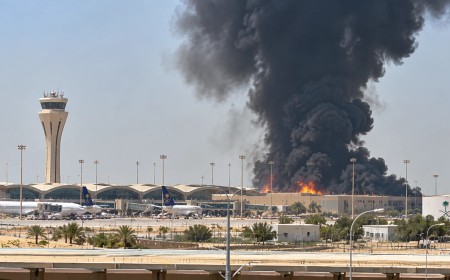
The attacks have come alongside Houthi strikes on Saudi Arabia, including on airports in Riyadh and Dammam this month. Read our report on the attack on King Fahd airport in Dammam.
The Strait of Hormuz in numbers
The strait is only about 33 km wide at its narrowest point, between Iran and the Musandam peninsula of Oman, and ships use two narrow lanes, one in each direction. The US Energy Information Administration has estimated that about a fifth of the world's oil consumption passes through it in normal times, along with large volumes of liquefied natural gas from Qatar.
Because the shipping lanes are so narrow, even a single incident can slow traffic, push up insurance premiums and lead some shipowners to reroute or delay voyages.
Indian seafarers on the front line
India is one of the world's largest suppliers of seafarers. Indian officers and crew work on tankers, container ships and bulk carriers owned by companies from across the world, including many that operate in the Gulf. That means Indian crews are often on board ships that sail through high-risk waters, even when the ship flies another country's flag.
India has repeatedly raised concerns about attacks on merchant ships and called for the safety of seafarers in international waters. Prime Minister Narendra Modi said at the BRICS Business Forum in Delhi in September that secure sea lanes are critical for global trade, India TV reported.
What families of seafarers can do
If you have a family member working on a ship in the Gulf:
- Contact the ship's manning or management company first. It has direct contact with the vessel and is responsible for crew welfare.
- Follow official updates from the Ministry of Ports, Shipping and Waterways, the Directorate General of Shipping and the Ministry of External Affairs.
- Indian missions in Oman, the UAE and other Gulf countries can help Indian nationals in an emergency.
- Be careful with forwarded messages. In incidents like this, rumours about injuries or deaths often spread on social media before official information is available.
Why it matters for India
- Lives: Thousands of Indian seafarers cross the Strait of Hormuz every month. Each attack puts them directly at risk.
- Energy: India imports most of its crude oil, and a large part comes through Hormuz. Attacks raise insurance costs and freight rates, which feed through to fuel prices at home.
- Diplomacy: India has good relations with Iran, the Gulf states and the US, and has a stake in keeping the strait open. It has also invested in Iran's Chabahar port, outside the strait, as an alternative route.
What happens next
No group has claimed either attack, and the type of weapon has not been confirmed. The ship's operators and maritime security agencies are expected to assess the damage. The government has said it will keep monitoring the situation, and we will update this story if more details, including who was responsible, become known.
For the 21 seafarers on the Al Dasma, Wednesday ended safely. But with two Indian-crewed tankers hit in a week, the risk to Indian sailors in the Gulf is clearly rising.
Frequently asked questions
What's Your Reaction?
 Like
0
 Dislike
1
 Love
0
 Funny
0
 Wow
0
 Sad
0
 Angry
0






Comments (0)